Eurasia Mart Rovereto
Geographic cross-overs in art
Geographic cross-overs in art
The exhibition will present a vision of art able to “pierce” every separate identity and indicate the possibilities of an art full of interchanges between Europe and Asia; in other words, “Eurasia”.
In 1967, with a Manifesto, Joseph Beuys founded the fictitious state of Eurasia. This was an open territory without physical or dogmatic borders: the geographic representation of a utopia, a fusion of Western realism and Oriental mysticism, the venue for a totality as yet not dispersed.
The term, “fading”, adopted by the film industry, aims to highlight the subtleties of a different geocultural territory, seen as the overcoming of the separating concept of border.
Total art, a new humanism and ethical responsibility are the key words for a project that appears surprising if reconsidered from its inception in the 1960s to the present day, from Beuys to the latest generation.
Some fundamental aspects of Beuys’ work – multiculturalism and the aspiration towards a total art, his stance regarding going beyond borders, and the “amplified concept of art” – find a timely echo in the work of artists of the young generation.
The term, “fading”, adopted by the film industry, aims to highlight the subtleties of a different geocultural territory, seen as the overcoming of the separating concept of border.
Total art, a new humanism and ethical responsibility are the key words for a project that appears surprising if reconsidered from its inception in the 1960s to the present day, from Beuys to the latest generation.
Some fundamental aspects of Beuys’ work – multiculturalism and the aspiration towards a total art, his stance regarding going beyond borders, and the “amplified concept of art” – find a timely echo in the work of artists of the young generation.
The exhibition, therefore, aims to stress the overcoming of a purely performative art in favour of a reflection making use of contents and themes of our time, a veritable emergence affirming the value of the co-existence of differences.
Achille Bonito Oliva’s reflection takes its stimulus from the idea that it be possible to consider Beuys’ work in a historical perspective, while re-reading and re-planning it.
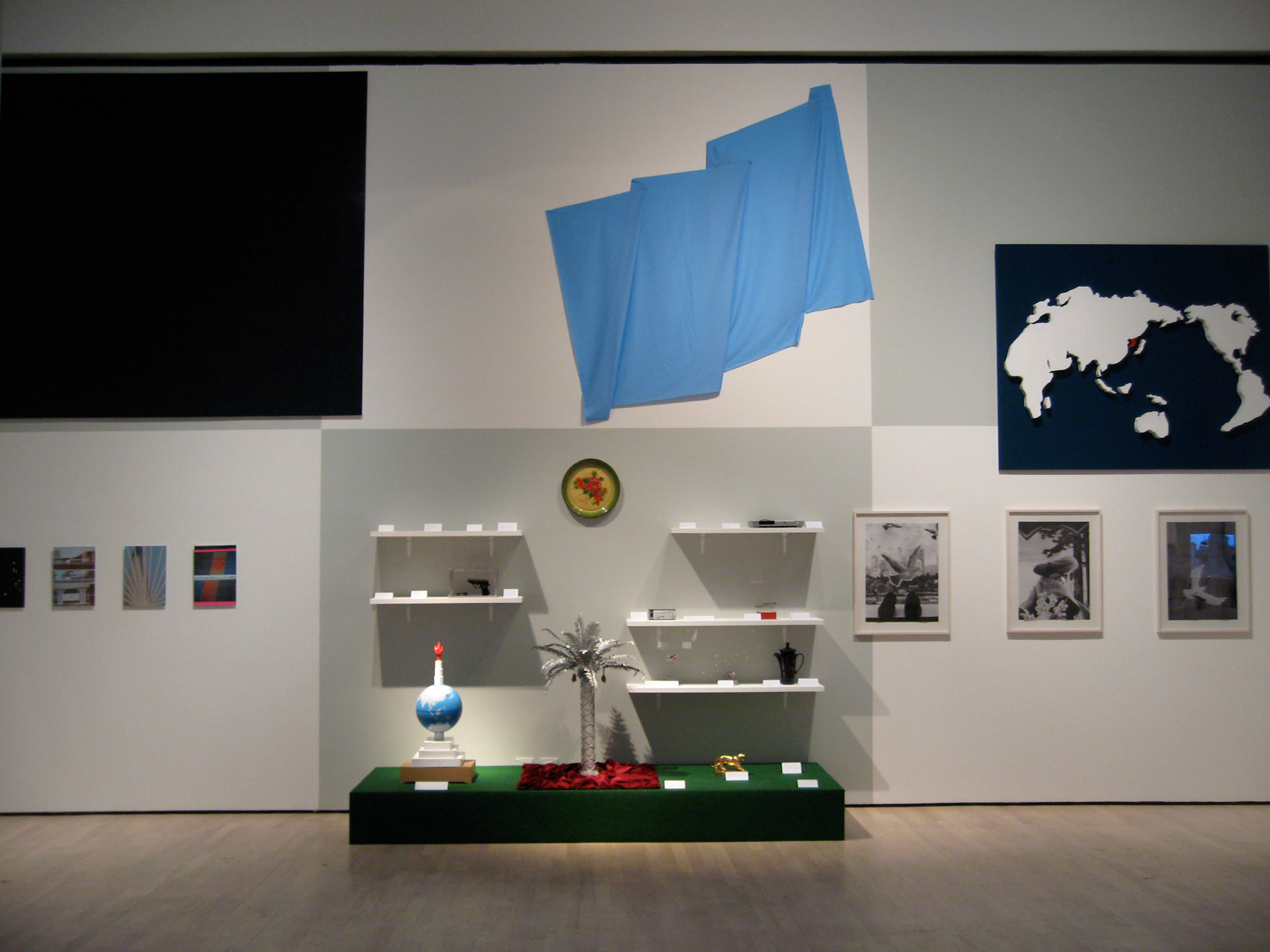
The exhibition will trace an original path through the artistic landscape of Eurasia territory and identify viewpoints and projects reacting to the aestheticisation of everyday life and the abuse of reality, proposing a linguistic complexity summarising different expressions.
The awareness that the model of new humanism in Eurasia is effectively being re-used today by many young artists imparts to the exhibition not only the task of documenting their work, but also the ambitious programme of championing an art that finally pays a close attention to reality and translates it into small utopias, between a desire and ecological hope for an improved quality of life.
Achille Bonito Oliva’s reflection takes its stimulus from the idea that it be possible to consider Beuys’ work in a historical perspective, while re-reading and re-planning it.
The exhibition will trace an original path through the artistic landscape of Eurasia territory and identify viewpoints and projects reacting to the aestheticisation of everyday life and the abuse of reality, proposing a linguistic complexity summarising different expressions.
The awareness that the model of new humanism in Eurasia is effectively being re-used today by many young artists imparts to the exhibition not only the task of documenting their work, but also the ambitious programme of championing an art that finally pays a close attention to reality and translates it into small utopias, between a desire and ecological hope for an improved quality of life.
Project curator Achille Bonito Oliva.
in collaboration with Lorenzo Benedetti, Iara Boubnova, Cecilia Casorati, Hu Fang, Christiane Rekade, Julia Trolp. 28 June 2008 / 16 November 2008
in collaboration with Lorenzo Benedetti, Iara Boubnova, Cecilia Casorati, Hu Fang, Christiane Rekade, Julia Trolp. 28 June 2008 / 16 November 2008